Integrative Microbiology, Multi-Omics & Applied Bioinformatics

Making microbial systems visible, testable and traceable.

MicroBiomica Lab at UCD studies microbial systems that affect food safety, public health, antimicrobial resistance and One Health.

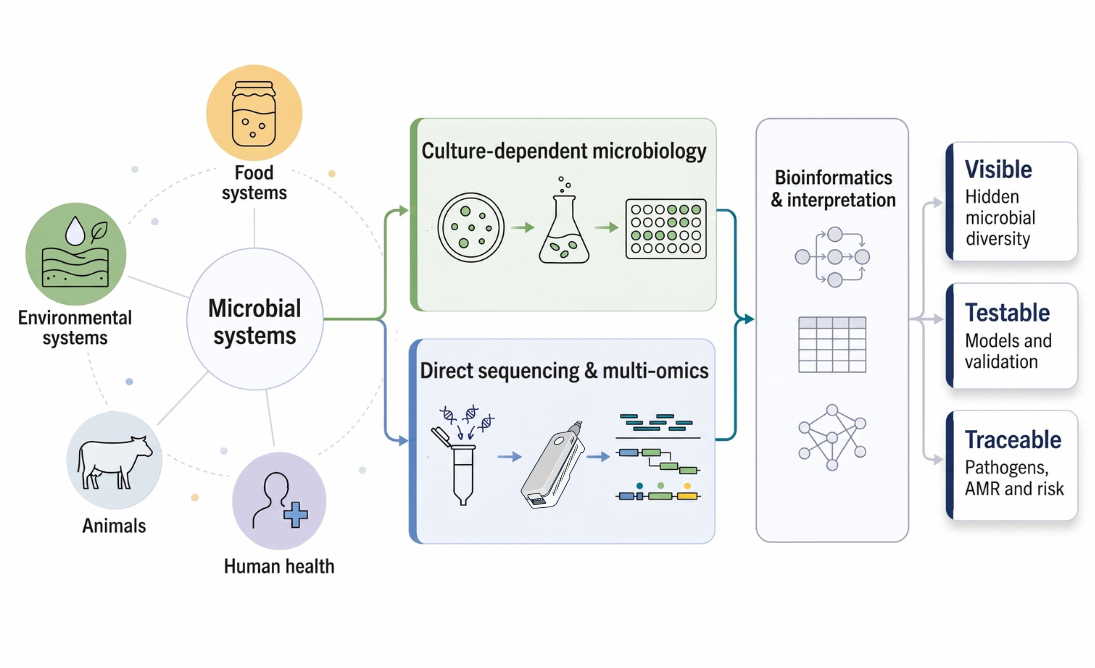
We combine culture-based microbiology, direct-from-sample sequencing, long-read genomics, multi-omics and reproducible bioinformatics to make complex microbial communities easier to detect, interpret and act on.

Microbial systems diagram representing integrative microbiology, multi-omics and applied bioinformatics at MicroBiomica Lab

Selected funders, collaborators and project partners

Explainer

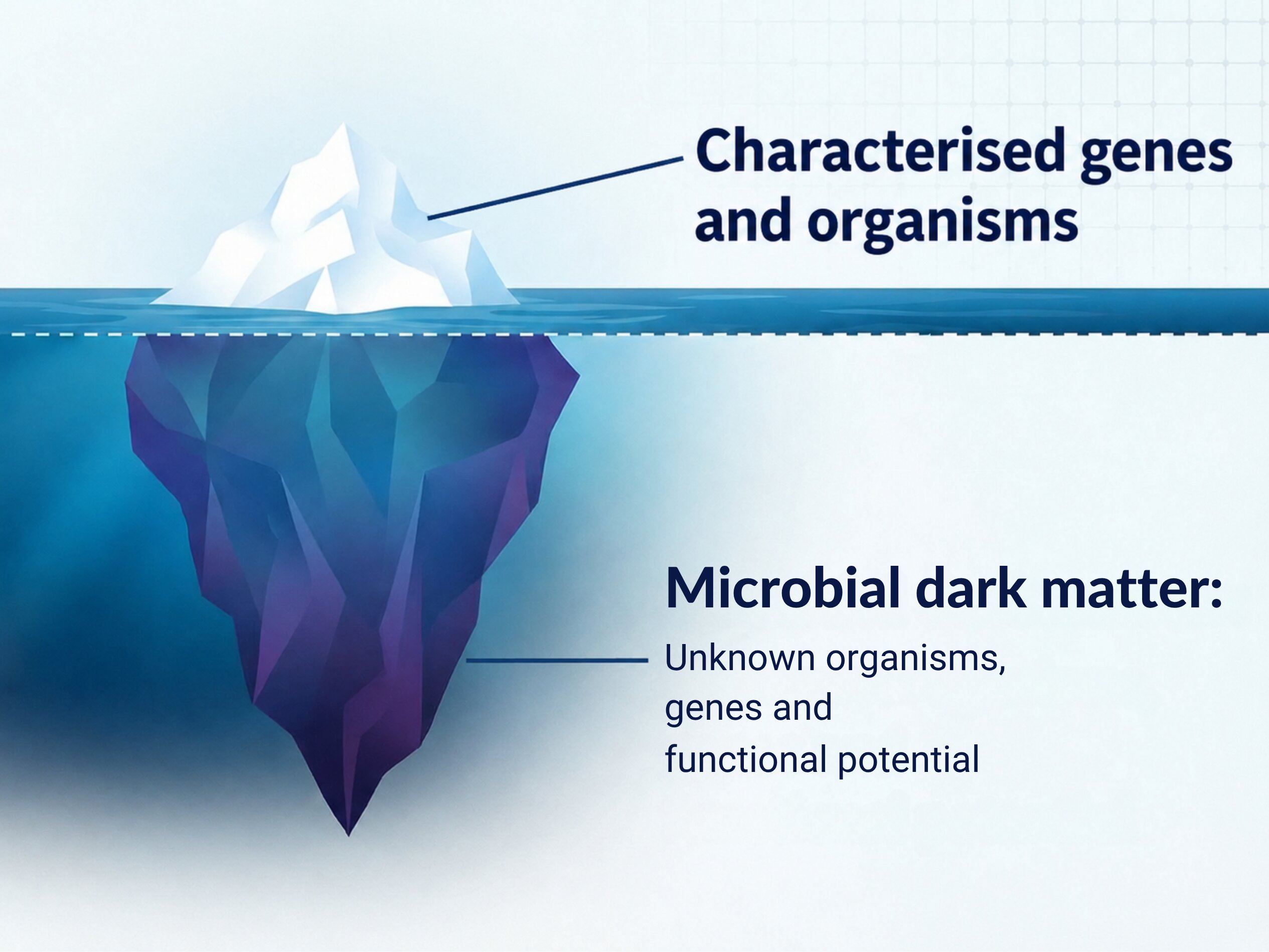
What is microbial dark matter?

Many microbial systems remain poorly characterised. This includes organisms that are difficult to culture, complex microbiomes, mobile genetic elements, antimicrobial resistance genes and microbial interactions that are not visible using standard approaches.

MicroBiomica Lab investigates these systems by connecting laboratory microbiology with computational analysis.

Our work asks:

  • Which microorganisms are present?
  • What functions do they carry?
  • How do pathogens, plasmids and resistance genes move?
  • Which microbial patterns indicate risk?
  • How can sequencing and bioinformatics support clearer decisions?
Iceberg metaphor representing microbial dark matter

Research

Research pillars

Our work connects microbial discovery, food-system safety, pathogen genomics, antimicrobial resistance and reproducible analysis to generate insight for public health and safer food systems.

Microbial dark matter & model microbiomes

We study hidden and poorly characterised microbial diversity in complex communities. Fermented foods, model microbiomes and environmental systems are used to investigate microbial function, resilience and interaction.

Food safety & microbial ecology

We examine microbial communities across food systems to understand safety, spoilage, persistence and microbial risk.

Pathogen genomics, AMR & One Health

We use genome sequencing, metagenomics and bioinformatics to study pathogens, antimicrobial resistance and biological risk across food, animal, human, environmental and built-environment contexts.

Methods, multi-omics & open bioinformatics

We develop and apply reproducible workflows for microbial genomics, microbiome analysis, long-read sequencing and multi-omics integration.

Current research areas

• Long-read sequencing for microbial identification and surveillance
• Metagenomics for antimicrobial resistance monitoring
• Microbial dark matter in food and environmental systems
• Taxonomy-free and AI-supported analysis of microbial communities
• Pathogen genomics and genomic epidemiology
• Fermented foods as model microbial ecosystems
• Reproducible bioinformatics workflows for research and training

People & Culture

The lab team

MicroBiomica Lab at UCD is a collaborative research environment for students, researchers and partners working across microbiology, bioinformatics, food safety and public health.

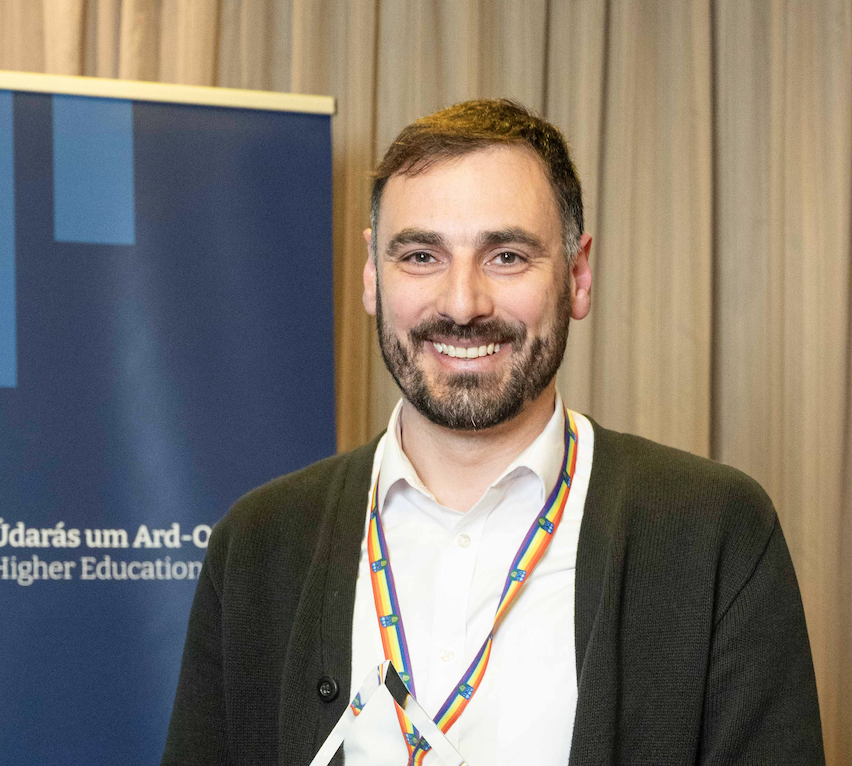
Portrait of Dr Guerrino Macori

Principal Investigator

Dr Guerrino Macori

Assistant Professor, UCD School of Biology and Environmental Science
Principal Investigator, MicroBiomica Lab at UCD

Dr Guerrino Macori leads research in applied bioinformatics, food microbiology, pathogen genomics and microbiome analysis. His work focuses on microbial systems relevant to food safety, public health and One Health.

The lab integrates experimental and computational approaches to study microbial communities, biological risk, antimicrobial resistance and the interpretation of complex sequencing data.

Guerrino teaches and supervises students in applied bioinformatics, pathogen genomics, food safety and microbiome analysis.

Outside the lab: Guerrino enjoys travelling, riding his Vespa, exploring new technologies and creative projects, and finding unexpected links between science, nature and everyday life. He enjoys cooking for friends, spending time outdoors and travelling with Geoffrey, his sweet Standard Poodle, who brings plenty of joy and adventure into daily life whenever possible. He is involved in his local community and volunteers with Parkrun, where both Guerrino and Geoffrey also enjoy taking part on Saturday mornings - although usually not for distances much beyond 5 km.
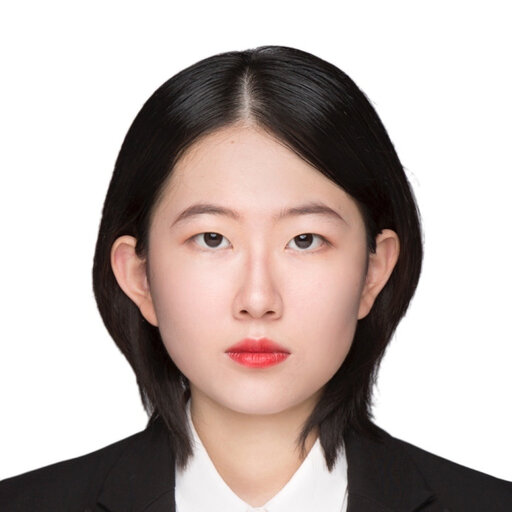
Portrait of Mingwei Hong

PhD Candidate

Mingwei Hong

Computational Reconstruction of Synthetic Microbiomes for Predicting Pathogen Dynamics

Mingwei explores synthetic microbiomes as controlled model systems for investigating microbial community dynamics and pathogen behaviour.
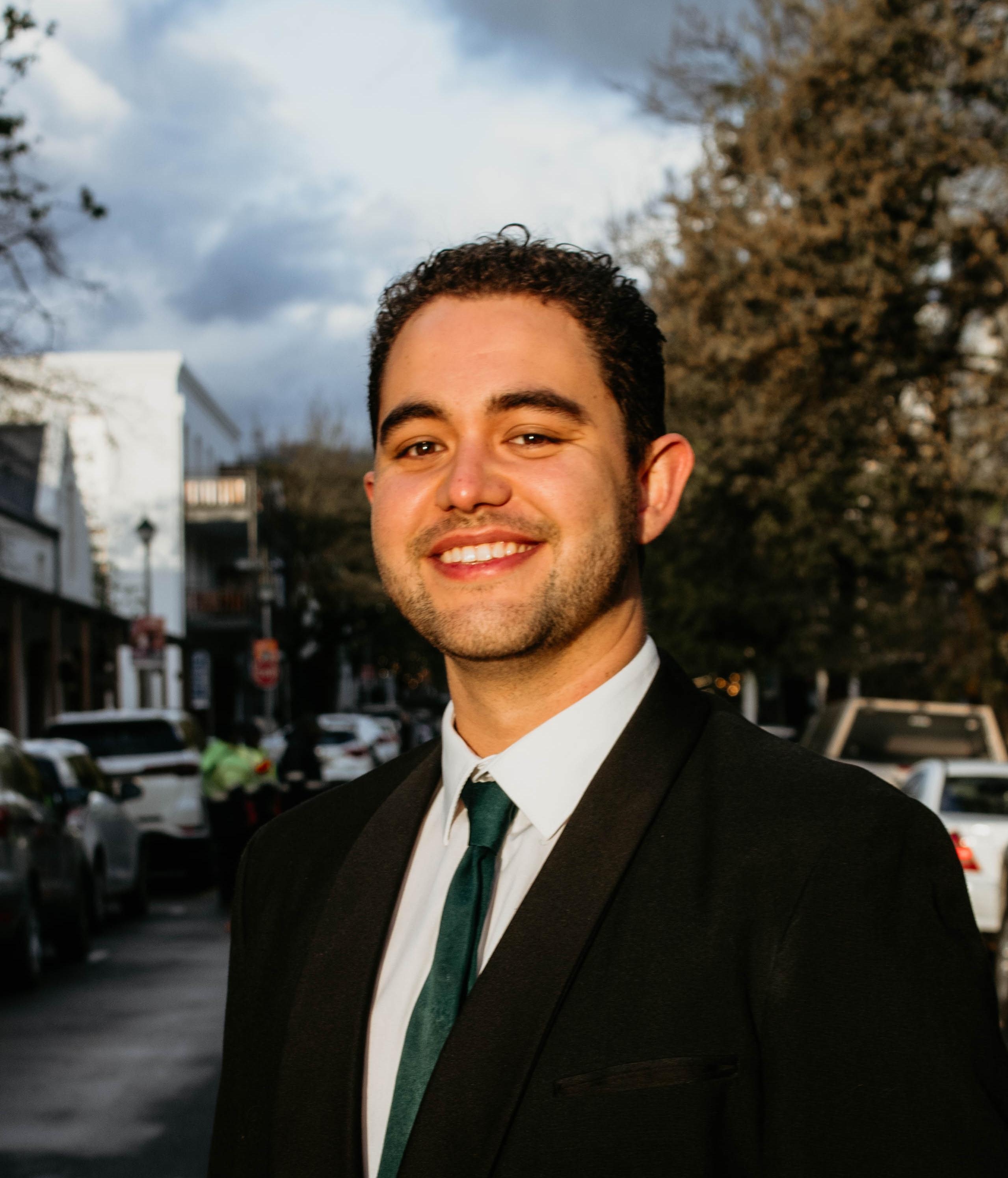
Portrait of Jacques Olivier

PhD Candidate

Jacques Olivier

AI-Enhanced Deciphering of Microbial Dark Matter

Jacques investigates microbial dark matter to understand how functional traits, particularly antimicrobial resistance, disseminate through complex microbiomes.

Outside the lab: Jacques enjoys cooking, home fermentation and collecting houseplants, with a long-term goal of making the office just slightly more botanical. He also likes exploring Ireland, especially places with good scenery, good food or both.
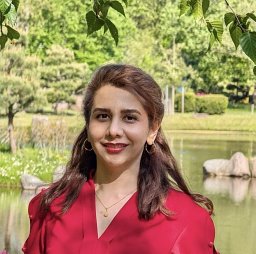
Portrait of Atefeh Asadi

Visiting PhD Researcher

Tallinn University of Technology, Estonia

Atefeh Asadi

Psychrotrophic bacteria in food spoilage and safety

Atefeh’s research focuses on applying advanced sequencing and multi-omics approaches, including full-length 16S rRNA and ITS sequencing, whole-genome sequencing, and shotgun metagenomics, to investigate microbial succession and the functional adaptation of spoilage-associated microorganisms in ready-to-eat foods.

Outside the lab: Atefeh enjoys cooking and baking so much that, if she had another chance, she would probably become a baker instead of a microbiologist.
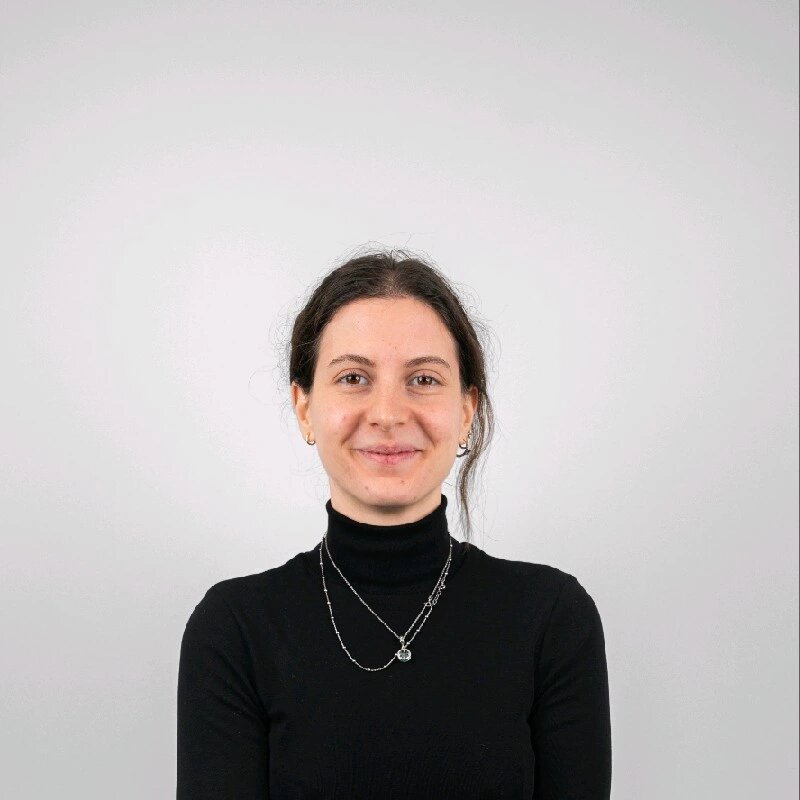
Portrait of Sara Benetti

Visiting PhD Researcher

Università di Padova, Italy

Sara Benetti

Pathogens and spoilers persist in food environments, posing challenges for food safety

Sara’s research investigates how foodborne pathogens and spoilage bacteria persist in food-processing environments despite exposure to cleaning, processing and other stress conditions. Her project focuses on bacterial dormancy as a possible survival strategy, using microbiology and molecular biology approaches to explore the pathways that allow persistent bacteria to withstand stress and reappear over time.

Outside the lab: Sara enjoys travelling, good food, live music, and spending time with her dog, Hubble. Her beloved companion often accompanies her to the office, where he doubles as an unofficial therapy dog, always ready to offer a cuddle to anyone in need.
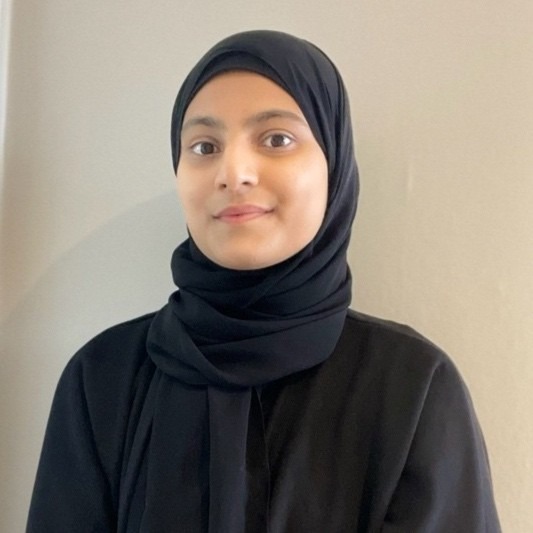
Portrait of Mahevish Nazneen Siddiqui

MSc Student

Mahevish Nazneen Siddiqui

Validation and optimisation of Oxford Nanopore sequencing workflows for serotyping of porcine bacterial pathogens

Mahevish’s research focuses on validating and optimising Oxford Nanopore sequencing workflows for serotyping the porcine pathogens Streptococcus suis and Actinobacillus pleuropneumoniae. The project evaluates laboratory and bioinformatics workflows, comparing Nanopore predictions with conventional serotyping and public genome datasets to support reliable serotyping.

Outside the lab: Mahevish enjoys gardening, painting, reading and creative activities. She also loves community work, spending time with children, and outdoor adventures like mountain biking.
For funded PhD, postdoctoral and research staff opportunities, see Join the Lab and follow official UCD recruitment channels and announcements shared by the PI or School. Academic collaboration and project enquiries are welcome by email.

Alumni Former MicroBiomica Lab members

A few short alumni spotlights give a quick sense of the people who have trained in the lab and where their experience has taken them next.

Katia Nguyen Petrosky

Katia Nguyen Petrosky

Visiting Student, Summer 2024

Arcadia Programme, SCI30050

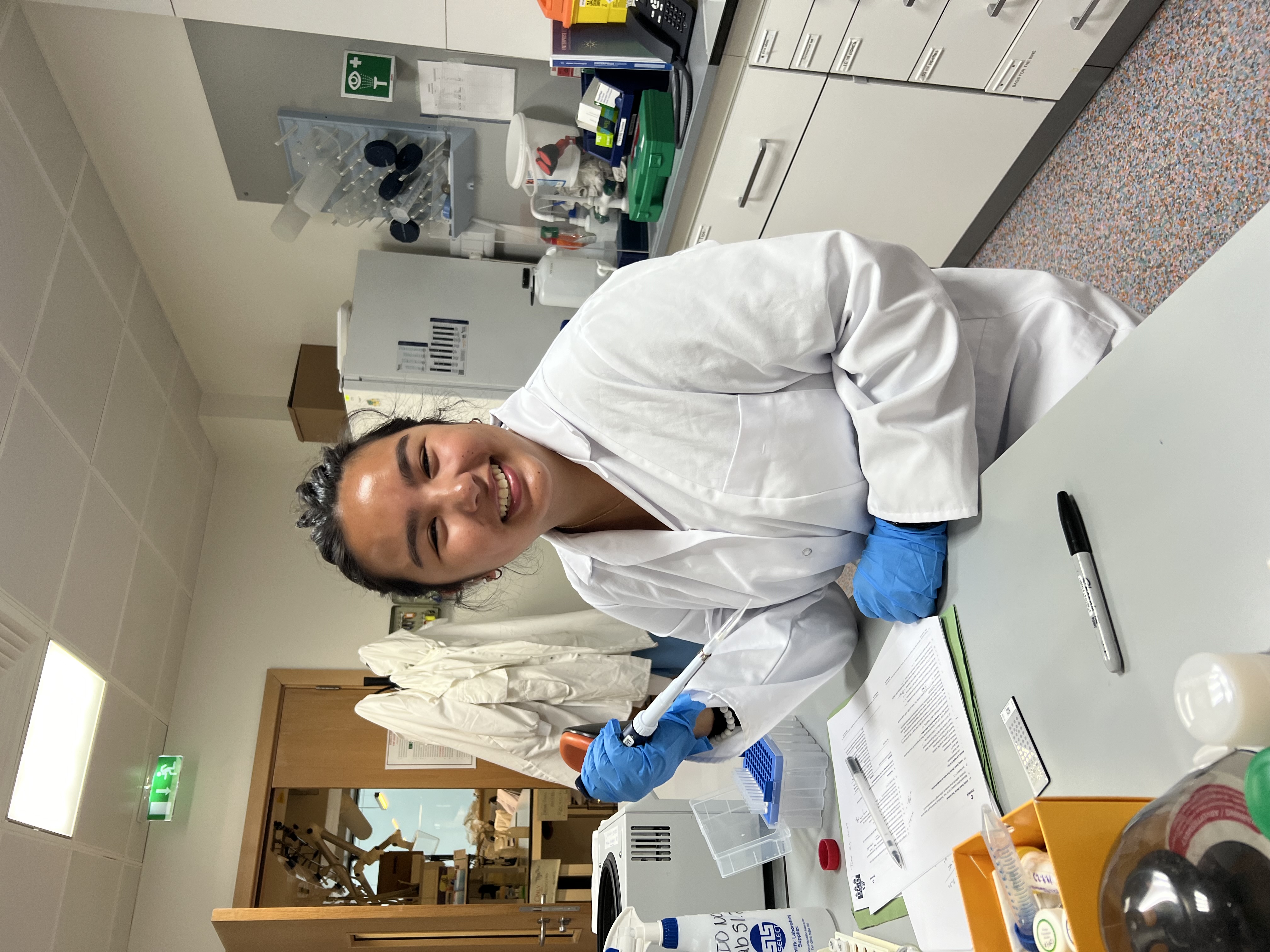
Katia explored probiotic bacteria in water kefir using culture-based and sequencing methods, learning culturing, DNA extraction, and full-length 16S rRNA sequencing while also writing a literature review and final poster.

"My time in Dr. Macori's lab enhanced me as a scientist and gave me the skill set that helped me pursue my PhD in food science at the University of Illinois, Urbana-Champaign."

Rayna Antova

Rayna Antova

Taught MSc Thesis, 2023-2024

Water kefir microbiome project

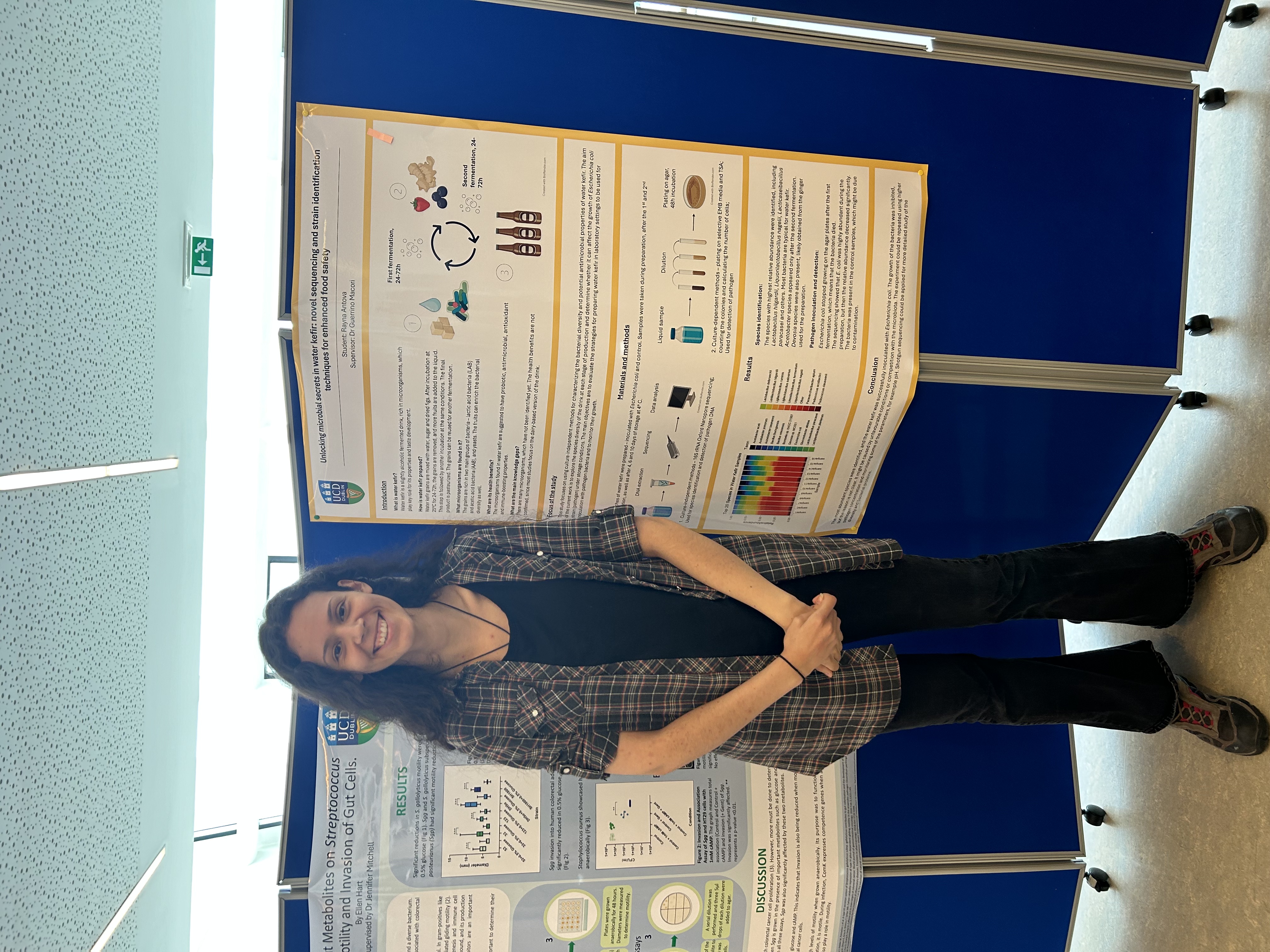
Rayna wrote her thesis on novel sequencing technologies to explore the microbiome of water kefir, building confidence and independence through close supervision and a structured experimental workflow.

"Working with Dr. Macori was very beneficial for me, as it allowed me to become more independent and confident in my research skills. I am currently working in a microbiology lab."

Marine Delavelle

Marine Delavelle

International Training, 2023-2024

Polytech Clermont, France

Marine explored microbial diversity in water kefir using advanced sequencing approaches for food safety and probiotic strain identification during an international training placement.

Project focus: Explore microbial diversity in water kefir using advanced sequencing techniques for food safety and probiotic strain identification.

Samuel Kenyon

Samuel Kenyon

Taught MSc Thesis, 2023-2024

From thesis to PhD

Samuel completed a taught MSc thesis on bacteriophages from campus water sources and later progressed to a PhD within the SAFEGREEN project at Teagasc under Dr Kaye Burgess, with Dr Guerrino Macori as academic advisor.

His current PhD examines environmental contamination sources in fresh produce systems, with a focus on Listeria, pathogenic E. coli and Salmonella at the interface of microbiology, environmental monitoring, and metagenomics.

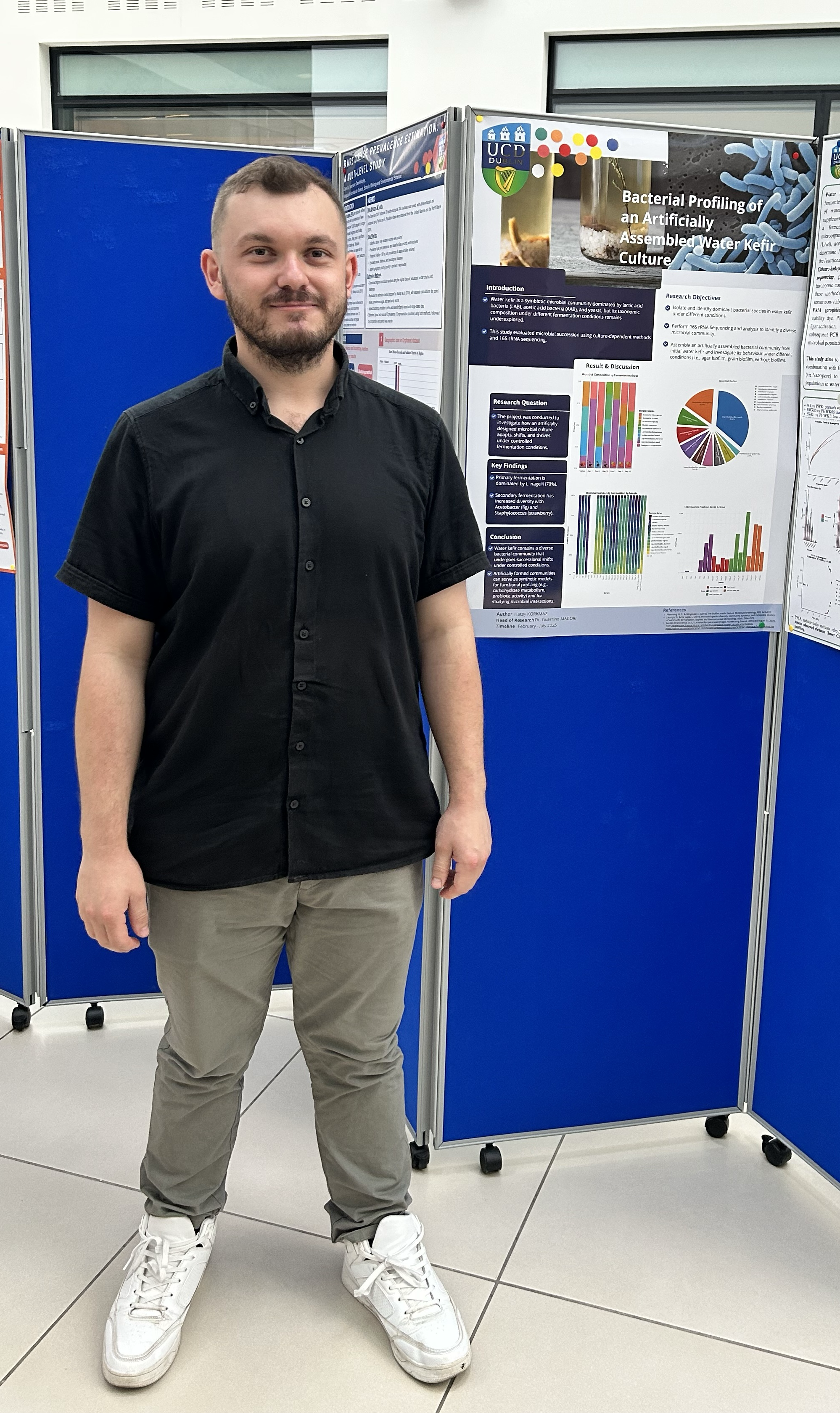
Hatay

Hatay Korkmaz

Taught MSc Thesis, 2024-2025

Culturomics and model microbiomes

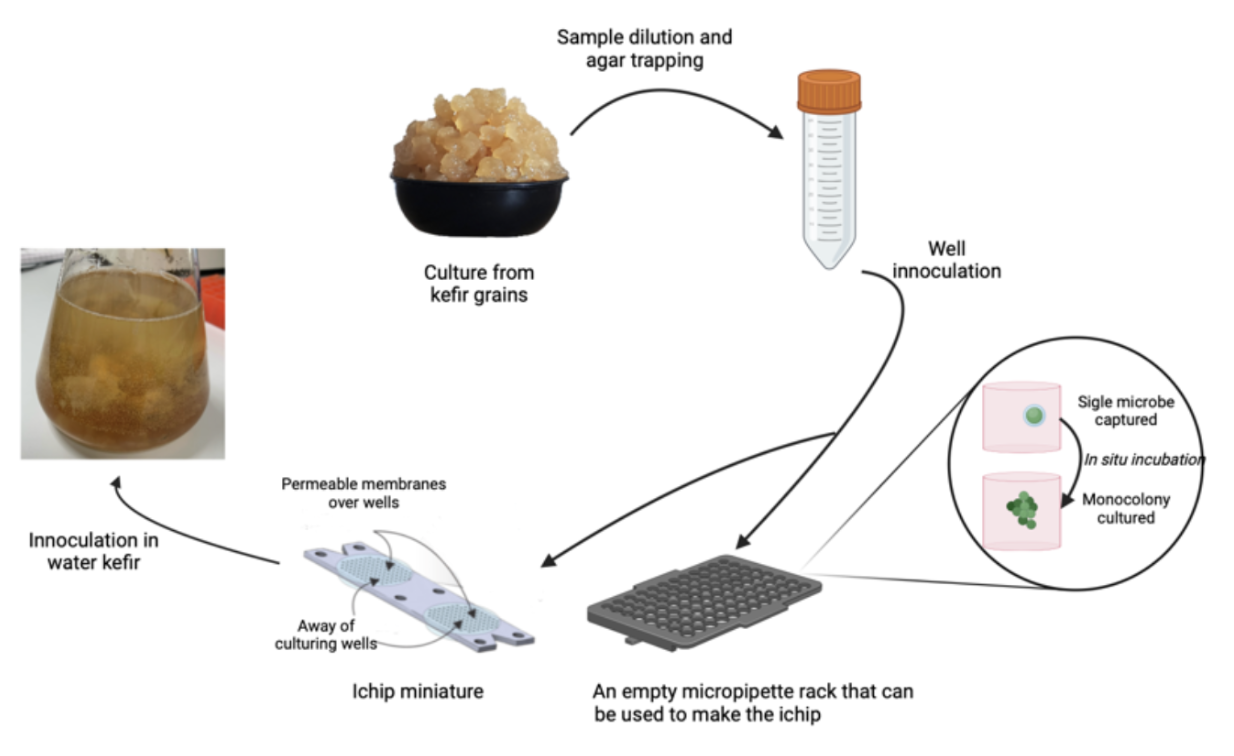
Hatay used water kefir as a model system to study how environmental conditions and substrates shape microbial diversity, and how communities can be deconstructed and reconstructed.

The project highlighted resilient lactic and acetic acid bacteria, substrate-dependent shifts in diversity, and the value of functional profiling for designing synthetic communities with desired metabolic properties.

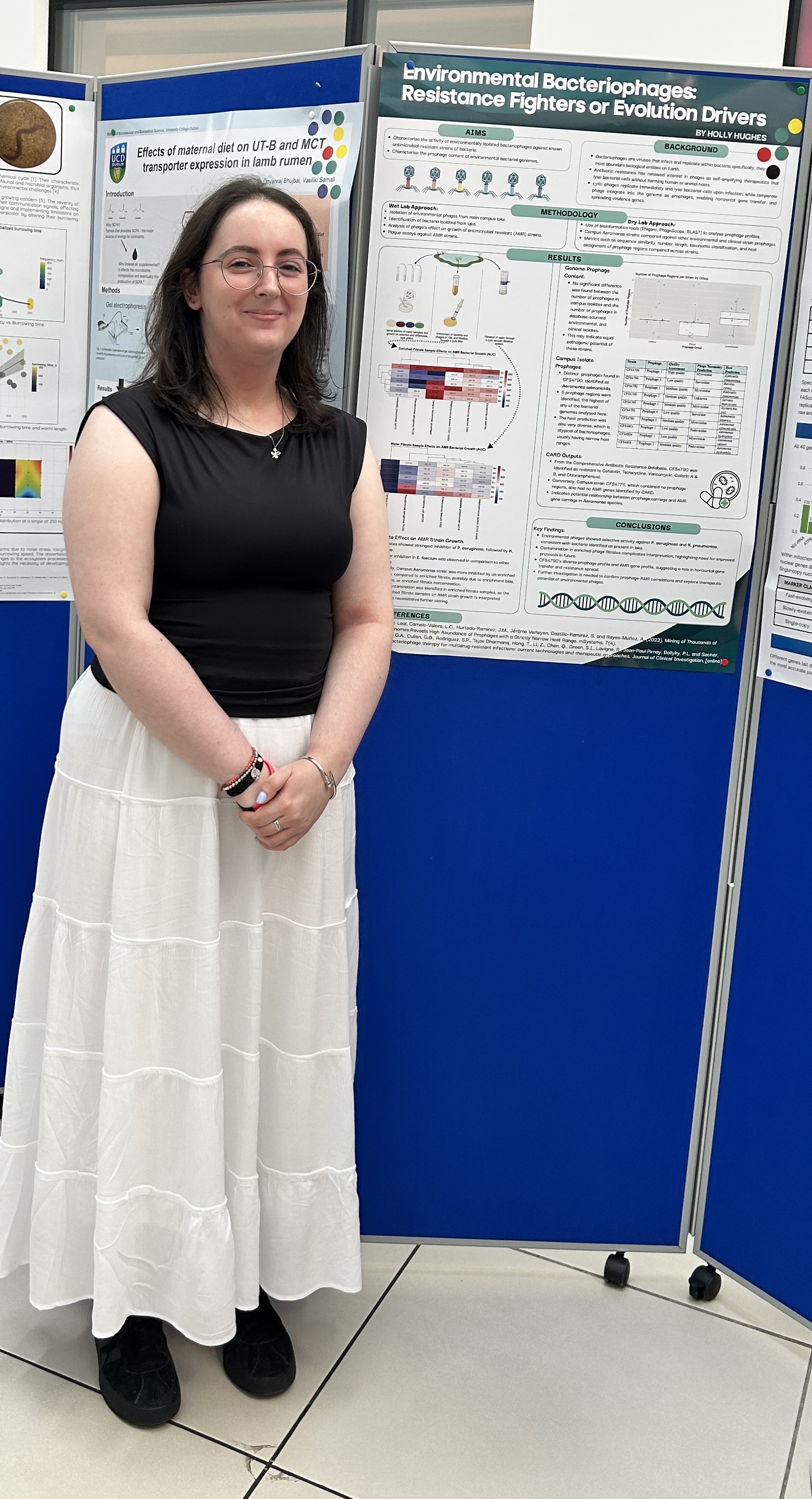
Holly

Holly Hughes

Taught MSc Thesis, 2024-2025

Environmental bacteriophages

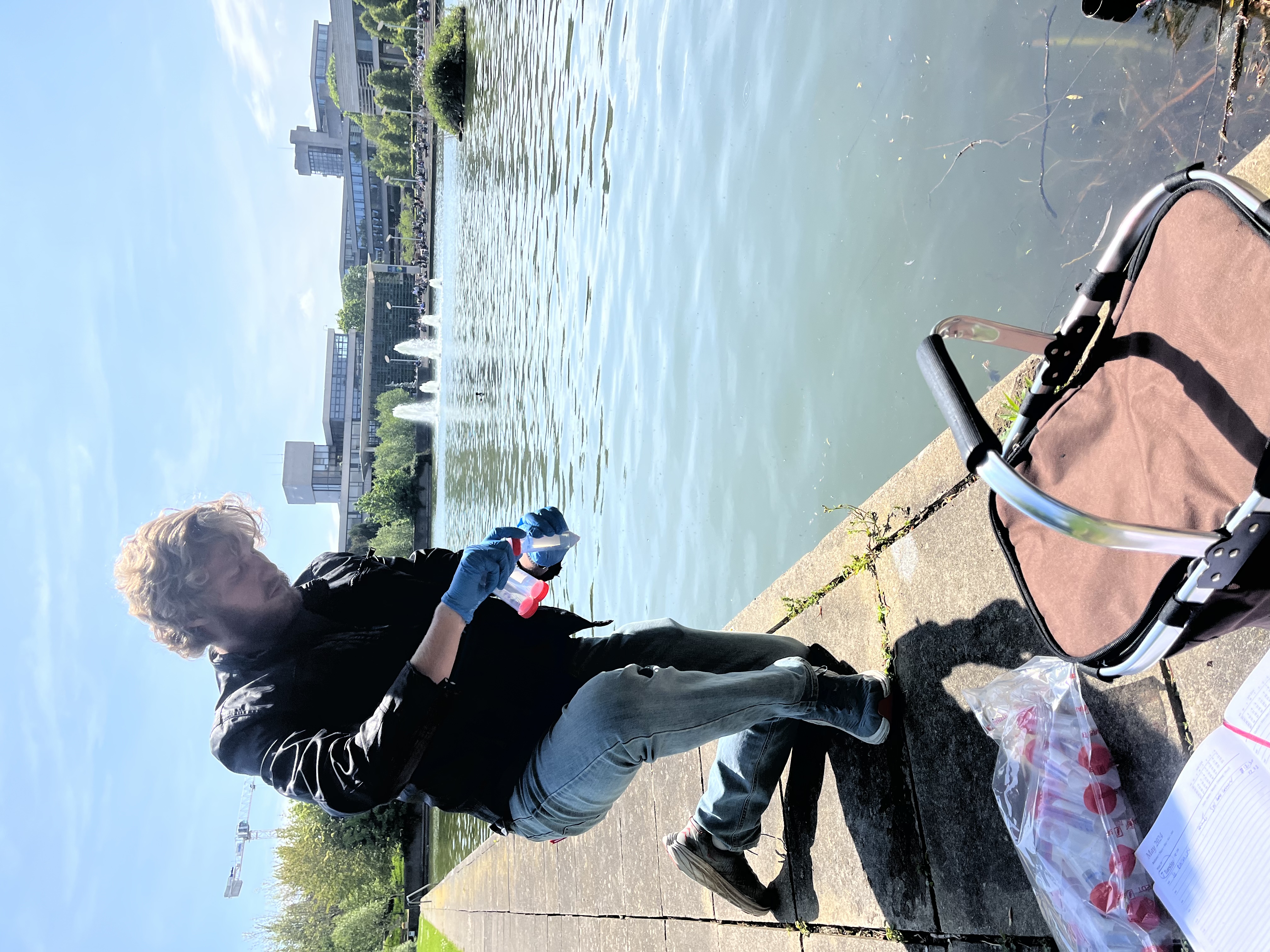
Holly's thesis focused on environmental bacteriophages from a man-made lake on UCD campus, assessing their activity against antimicrobial-resistant bacteria and analysing prophage content in Aeromonas strains.

She later accepted a research assistant position in Maynooth University and will start a PhD at the University of Galway in September 2026.

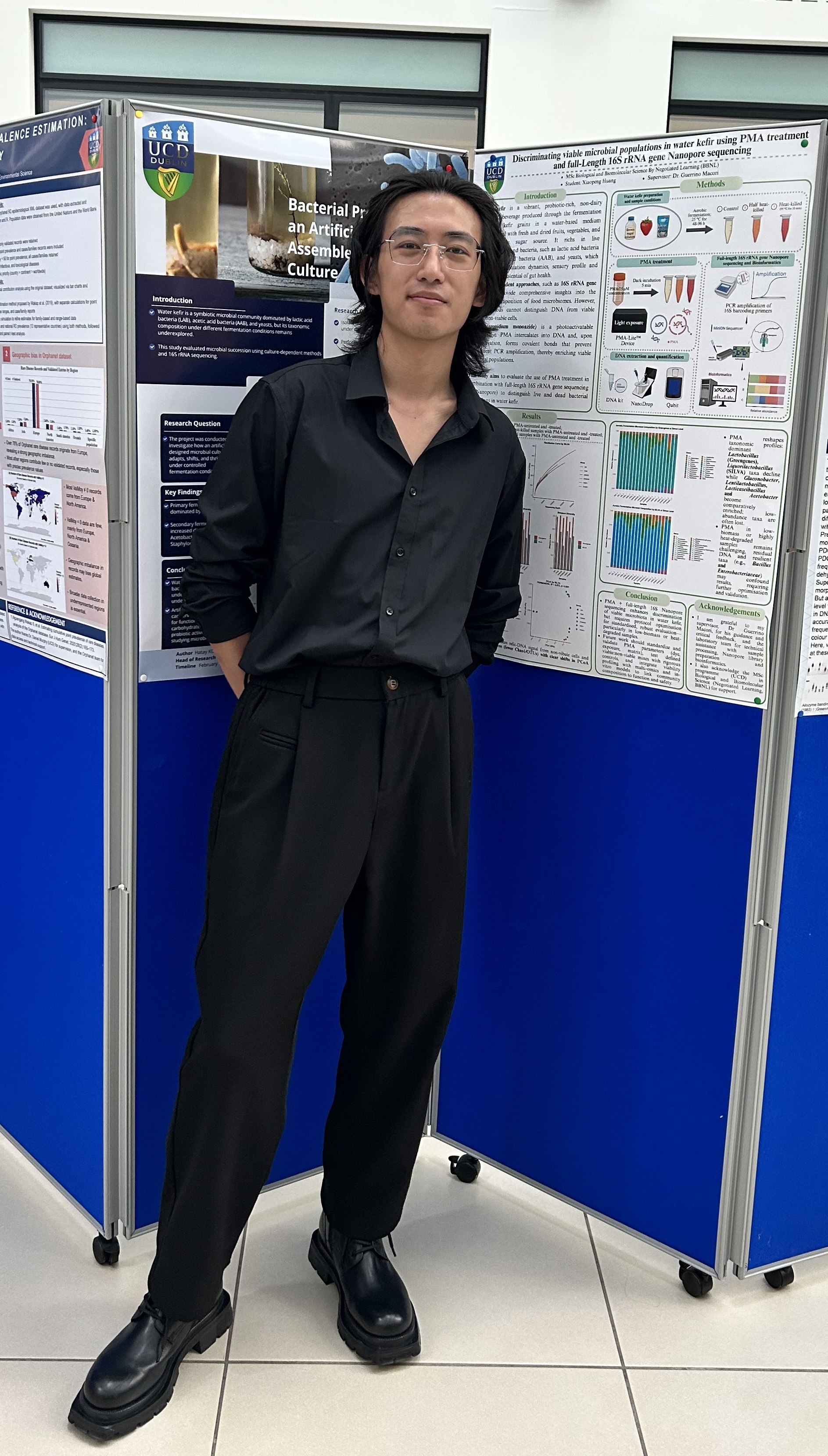
Xiaopeng

Xiaopeng Huang

Taught MSc Thesis, 2024-2025

PMA and full-length 16S sequencing

Xiaopeng evaluated propidium monoazide treatment combined with full-length 16S rRNA gene sequencing to distinguish viable bacterial populations in complex microbial communities.

The project explored how viability-focused sequencing can improve interpretation of mixed microbial systems and support more accurate community profiling.

Hover or focus a card to flip and read the short story behind each alumni profile.

Teaching

Module coordination and teaching

Alongside research supervision, Dr Guerrino Macori contributes to undergraduate and graduate teaching across microbiology, genomics and environmental biology at UCD.

Microbiome Analysis

Introduction to microbiome analysis, experimental design, techniques, bioinformatics and case studies.

Pathogen Genomics

Introduction to pathogen genomics, sequencing approaches and bioinformatics applications for detecting and studying pathogens.

Food Microbiology

Introduction to microbiology of foods, spoilage, foodborne organisms and the role of microbes in food production.

Research Techniques III

Research training and advanced project work, literature review, practical skills and thesis development for the MSc Biological & Biomolecular Science.

Selected Outputs

Curated publications and project outputs

This section highlights selected publications, educational resources, commentary and public-engagement outputs associated with the lab’s research and teaching. For a complete publication record, see the external researcher profiles linked on the site.

Food Research International, 2026

Mapping spoilage microbiota in complex food systems: organisms, mechanisms, and omics-based characterisation

A comprehensive overview of food-spoilage microorganisms and the genomic, metagenomic and multi-omics approaches used to investigate them.

Nature Food, 2020

Meta-analysis of cheese microbiomes highlights contributions to multiple aspects of quality

A large-scale analysis showing how cheese-associated microbial communities influence product quality, sensory characteristics and safety.

mSystems, 2020

Fermented-food metagenomics reveals substrate-associated differences in taxonomy, health-associated traits and antimicrobial-resistance determinants

A metagenomic investigation of fermented foods linking microbial community composition with substrate type, functional traits and antimicrobial-resistance genes.

Current Opinion in Biotechnology, 2018

Novel insights into the microbiology of fermented dairy foods

A comprehensive review detailing how high-throughput sequencing technologies and multi-omics are providing novel insights into the complex microbial ecosystems of fermented dairy products, their dynamics, and their contributions to flavour and quality.

Antibiotics, 2021

Characterisation of an early mcr-1 resistance gene and plasmidome in pathogenic Escherichia coli under colistin selection

A genomic study examining colistin resistance, plasmid diversity and the distribution of the mcr-1 gene across pathogenic E. coli lineages.

IJSEM, 2024

Stenotrophomonas riyadhensis sp. nov., isolated from a hospital floor swab

The genomic and phenotypic description of a previously uncharacterised bacterial species recovered from a hospital environment.

Antibiotics, 2026

Genomic epidemiology of foodborne Salmonella in Colombia: emergence of novel resistance-associated plasmids

A genomic investigation of historical foodborne Salmonella isolates identifying plasmids carrying metal-resistance and multidrug-resistance clusters.

Clinical Infectious Diseases, 2021

Whole-genome sequencing to track SARS-CoV-2 transmission in nosocomial outbreaks

Demonstrated the application of whole-genome sequencing to investigate and reconstruct SARS-CoV-2 transmission within healthcare settings.

Emerging Infectious Diseases, 2021

Genomic evolution of SARS-CoV-2 in an immunocompromised patient in Ireland

A longitudinal genomic analysis of viral evolution during persistent infection in an immunocompromised patient.

Open Research Europe, 2025

Towards a unified approach for bioinformatics, sequencing and data analysis in wastewater surveillance

Practical recommendations for improving the standardisation, portability and reproducibility of wastewater genomic-surveillance workflows.

Journal of Microbiology & Biology Education, 2017

Build the Read: a hands-on activity for introducing microbiology students to next-generation DNA sequencing and bioinformatics

An interactive educational resource that introduces sequencing concepts and read assembly through a practical classroom activity.

IEEE GEM, 2025

AVINA: Automated Visual Novel Generation Using Large Language Models from Multiple-Choice Question Inputs

An educational technology output exploring the use of generative AI and interactive narratives to support learning and assessment.

Microbiology, 2025

Building an inclusive culture at scientific meetings: foundations for future progress

A publication mapping the design of scientific meetings to build an inclusive culture and create welcoming environments for historically marginalised groups.

Educational Web Game, 2026

Microdle: A Food Microbiology Word Puzzle

Developed by lab PhD candidate Jacques Olivier and used in Dr Guerrino Macori’s Food Microbiology module (ENVB30110) at UCD, Microdle is an interactive browser-based word puzzle where players identify a hidden food-associated microbe in eight guesses. Focusing on bacterial pathogens, spoilage organisms, yeasts, moulds, viruses and parasites across food safety, spoilage and fermentation, the game combines letter-by-letter feedback with progressive biological hints and end-of-game fact cards that explain what each microbe is and why it matters in food systems.

UCD Institute of Food and Health, 22 September 2025

Balancing Bugs: The Role of Good and Bad Microbes in Our Food

Public lecture with Prof Shea Fanning on the role of beneficial and harmful microbes in food systems, food safety and health.

Blog, Microbiology Society, 2026

Where do we belong? EDI reflections at Annual Conference 2026

A blog reflection on the EDI session at Annual Conference 2026, co-authored with colleagues and published by the Microbiology Society.

Blog, Microbiology Society, 07 June 2024

Pride Month: Guerrino Macori

A Pride Month profile from the Microbiology Society highlighting Guerrino Macori's experiences and reflections as an openly LGBTQIA+ academic.

Research informing policy and evidence-based decision-making

Our research outputs are widely integrated into policy frameworks to guide public health and food safety actions. A trackable count shows a robust network of scientific influence across international and local guidelines.

61
Policy Documents Citations
36
Key Source Papers
513
Downstream Citations

Note: 36 of the citing documents were subsequently cited 513 times across a further 367 policy documents, indicating sustained adoption in food safety, antimicrobial resistance, genomic surveillance, and pandemic preparedness guidelines.

Selected Media

Press coverage and public mentions

Selected media coverage that highlights the lab's teaching, research and public-facing work.

UCD News, 14 January 2026

HEA names two UCD projects as winners of 2025 SATLE Impact Awards

UCD coverage of the HEA recognition of two UCD teaching and learning projects, including FAIR Game led by Guerrino Macori.

Branded thumbnail for the UCD SATLE impact awards news item
UCD News, 24 September 2020

Greater transparency over COVID-19 restrictions needed to encourage buy-in from young people, Oireachtas committee hears

UCD coverage relating to genomic surveillance and public-health research, including SARS-CoV-2 sequencing and hospital transmission analysis.

Branded thumbnail for the UCD COVID-19 public health news item

Join the Lab

PhD opportunities and funding support

MicroBiomica Lab welcomes students and early-career researchers working across microbiology, genomics, bioinformatics and One Health. We are happy to support competitive applications for funded PhDs, postdoctoral fellowships and visiting scientist placements.

Funding & Mentorship

Support for PhD, Postdoc and visiting scientist applications

We are happy to supervise and mentor early-career researchers, and to support applications for scholarships and mobility funding such as Erasmus+ visitor scientist placements, Marie Skłodowska-Curie Actions postdoctoral fellowships and Research Ireland fellowships.

  • PhD studentships and scholarship applications
  • Postdoctoral fellowship applications
  • Visiting scientist opportunities through Erasmus+
  • Collaborative projects and training visits

Student Projects

4th year and MSc thesis projects

We also welcome project enquiries for 4th year student projects and MSc theses across Zoology, Cell and Molecular Biology, Environmental Biology, and BBNL.

  • 4th year projects in Zoology
  • 4th year projects in Cell and Molecular Biology
  • 4th year projects in Environmental Biology
  • MSc thesis projects in BBNL and Environmental Biology